Breathe before you send: 3 exercises for message anxiety
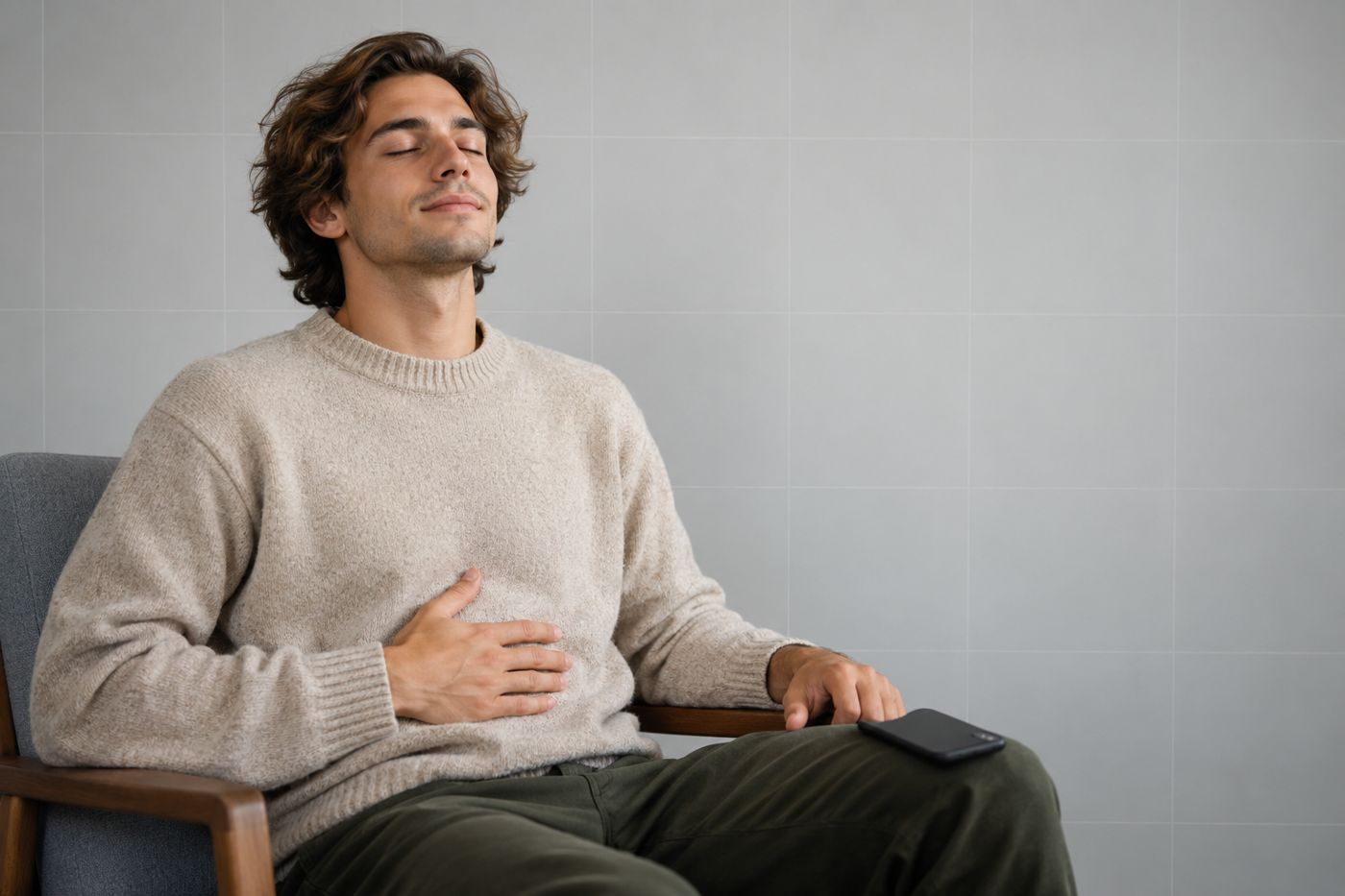
In short: breathing slowly, with an exhale longer than the inhale, helps the body leave alert mode within a few minutes. Three simple exercises work well before sending a message: the physiological sigh (1 minute), 4-6 breathing (2 minutes) and resonance breathing (5 minutes).
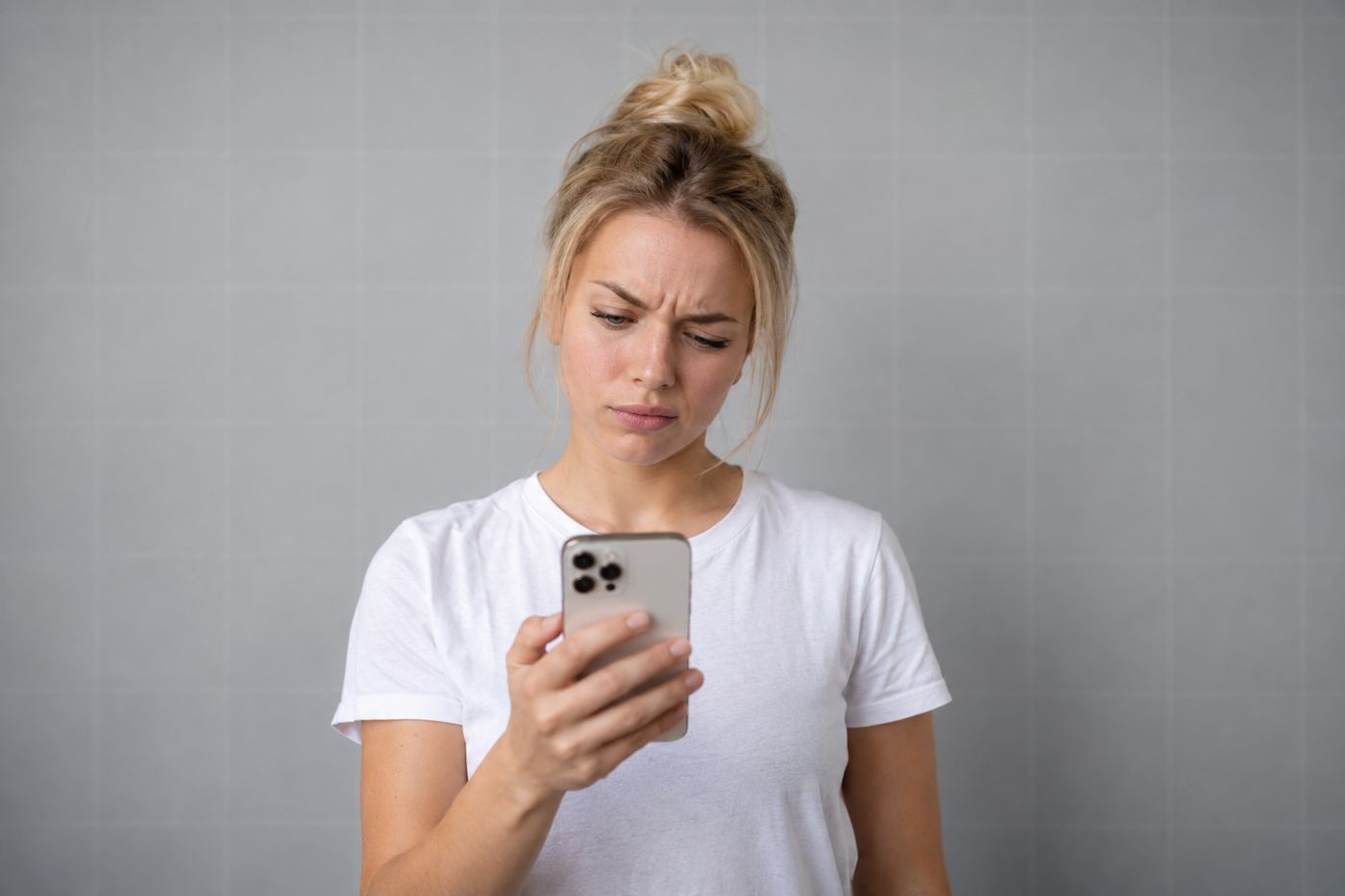
Thumb hovering over the Send button, heart beating a little too fast. Before thinking about what to reply, there's often a more urgent step: bringing the pressure in your body down. And the fastest tool for that is always with you: your breath.
Why breathing calms anxiety
When you're anxious, your sympathetic nervous system (the alert system) takes over: your heart speeds up, your breathing becomes fast and shallow. Deliberately slowing your breathing, and especially lengthening the exhale, engages the other branch of the nervous system, the parasympathetic one, associated with calm and recovery.
It's one of the few levers of the nervous system you can act on directly and consciously. A few minutes are often enough to feel a difference.
Exercise 1: the physiological sigh (1 minute)
This is the quickest exercise. It was notably studied by researchers at Stanford University, who observed in 2023 that a daily practice of a few minutes was associated with improved mood.
- Inhale through your nose.
- Without exhaling, take a second short inhale through your nose to fill your lungs completely.
- Exhale slowly and fully through your mouth, all the way.
- Repeat 3 to 5 times.
Exercise 2: 4-6 breathing (2 minutes)
Easy to remember, perfect before replying to a message that stresses you out.
- Inhale through your nose while counting to 4.
- Exhale gently through your mouth while counting to 6.
- Keep going for 2 minutes, without forcing.
If 4-6 feels too long, start with 3-5. What matters is that the exhale is longer than the inhale.
Exercise 3: resonance breathing (5 minutes)
Very popular in France under the name "cohérence cardiaque", resonance breathing means breathing at a pace of about 6 breaths per minute: 5 seconds in, 5 seconds out, for 5 minutes. It's often summed up as the "365" rule: 3 times a day, 6 breaths per minute, 5 minutes.
It takes a bit more time, but it's a great routine to build, not just for moments of crisis.
When to breathe, in practice
- Right after reading a message that makes your anxiety spike.
- Before writing an important or delicate reply.
- When you catch yourself reopening the conversation over and over.
- In the evening, if a conversation is still spinning in your head.
If you feel dizzy or uncomfortable, return to normal breathing. And if your anxiety is frequent or overwhelming, talking to a health professional remains the best step.
Breathe with TextCalm
TextCalm includes Calm moments: a guided breathing exercise with a circle that opens and closes to the rhythm of your breath, 5-4-3-2-1 grounding and soft rain sounds. They're one tap away from your analysis, so you can breathe out before you hit Send.
This article is for information only and is not a substitute for advice from a health professional. If your anxiety is frequent or overwhelming, talk to your doctor or a psychologist.